 how-to
Low-VOC Flooring for Campus Air Quality
Table of Contents
- How Flooring Materials Affect Indoor Air Quality
- Understanding Low-VOC Flooring and Off-Gassing
- Volatile Organic Compounds in Flooring Adhesives and Sealants
- Low-Emission Flooring Certifications and Standards
- Managing Flooring Installation Off-Gassing During Campus Renovations
- Indoor Air Quality During Renovation: Ventilation and Re-Occupancy Planning
- Selecting Flooring Types: Hardwood, Laminate, Luxury Vinyl, and Terrazzo
- Implementation Checklist for Campus Flooring Projects
- Frequently Asked Questions
Last Updated: October 10, 2026
How Flooring Materials Affect Indoor Air Quality
The flooring in your campus buildings directly impacts the air students and staff breathe every day. When you install new flooring, the materials, adhesives, and sealants release chemicals into the air. These chemicals can linger for weeks or months, affecting indoor air quality and occupant health.
Low-VOC flooring reduces these harmful emissions significantly. Understanding how flooring materials affect indoor air quality is the first step toward creating healthier campus spaces.
Different flooring types release different amounts of volatile organic compounds. Some materials off-gas heavily during and after installation. Others, like terrazzo, emit far fewer chemicals. The adhesives and sealants used during installation often contribute more emissions than the flooring material itself.
Poor indoor air quality in campus buildings creates real problems. Students in classrooms with high chemical concentrations report headaches, fatigue, and difficulty concentrating. Long-term exposure affects learning outcomes and staff productivity.
The science is straightforward: when you choose materials and installation methods that minimize emissions, you protect occupant health. Ventilation during and after installation helps remove airborne contaminants. Proper sealing and curing times allow off-gassing to complete before spaces are reoccupied.
Understanding Low-VOC Flooring and Off-Gassing
Low-VOC flooring contains minimal volatile organic compounds, chemicals that evaporate at room temperature and enter the air you breathe. Off-gassing is the process where these chemicals escape from flooring materials, adhesives, and sealants into indoor air.
When flooring is freshly installed, off-gassing is at its peak. The rate slows over time but can continue for months. Low-VOC products emit significantly fewer chemicals during this process.
Off-gassing causes several problems in campus environments:
- Odors that linger for weeks after installation
- Headaches and respiratory irritation for occupants
- Difficulty concentrating in classrooms and offices
- Potential long-term health effects from sustained exposure
Low-VOC flooring solutions dramatically reduce these risks. Terrazzo, properly sealed and installed, emits minimal volatile organic compounds compared to conventional flooring options. The material itself is inert, it doesn't break down or release chemicals over time.
Installation methods matter as much as material choice. The adhesives and sealants you use during installation are often the largest source of VOC emissions. Selecting low-VOC adhesives and allowing proper curing time reduces overall off-gassing significantly.
Campus facilities managers benefit from understanding off-gassing timelines. Most intense emissions occur in the first 48-72 hours after installation. Emissions continue at lower levels for 2-4 weeks, depending on ventilation and environmental conditions.
Volatile Organic Compounds in Flooring Adhesives and Sealants
Flooring adhesives and sealants are frequently overlooked sources of indoor air pollution. Many traditional products contain high concentrations of volatile organic compounds that off-gas heavily during and after installation.
Standard flooring adhesives release formaldehyde, benzene, and other harmful chemicals. These compounds can persist in indoor air for weeks. Campus spaces with poor ventilation trap these emissions, creating unhealthy environments for students and staff.
Low-VOC adhesives and sealants perform just as well as traditional products while emitting far fewer chemicals. They cure properly and create strong bonds without the health risks. Selecting low-VOC products is a straightforward decision with significant benefits.
When planning campus flooring projects, specify low-VOC adhesives in your procurement requirements:
- Request products with minimal formaldehyde content
- Verify that sealants meet low-VOC standards
- Confirm adhesives are compatible with your chosen flooring material
- Ask installers about curing times for selected products
Installation emissions depend heavily on product selection and application methods. Proper ventilation during installation helps remove VOCs as they're released. Allowing adequate curing time before occupancy is essential for off-gassing completion.
A1 Terrazzo uses low-VOC adhesives and sealants in all campus installations. We understand that campus facilities require materials and methods that protect occupant health while delivering lasting durability.
Low-Emission Flooring Certifications and Standards
Product certifications verify that flooring materials and installation products meet strict emissions standards. These certifications help campus facilities managers make informed purchasing decisions based on independent testing.
GreenGuard Certification is one of the most recognized standards for low-VOC products. Products earning this certification have been tested for emissions of over 10,000 chemicals.
FloorScore certification focuses specifically on flooring products. It measures volatile organic compound emissions and certifies products that meet strict limits. FloorScore is particularly useful for comparing flooring materials side by side.
Cradle to Cradle certification evaluates the entire product lifecycle, from raw materials through manufacturing, use, and end-of-life. This certification helps identify flooring products that are genuinely sustainable and low-emission throughout their lifespan.
When evaluating flooring options for campus projects, request certification documentation:
- Ask for GreenGuard or GreenGuard Gold certification
- Request FloorScore certification for flooring materials
- Verify adhesives and sealants carry appropriate certifications
- Compare emissions test results across product options
Indoor air quality standards guide campus facility decisions. The American Society of Heating, Refrigerating and Air-Conditioning Engineers (ASHRAE) publishes ventilation standards that help maintain healthy indoor environments (Standards 62.1 & 62.2). Meeting or exceeding these standards during flooring installation protects occupant health.
Understanding certifications helps you verify emissions claims. Manufacturers sometimes make vague "low-VOC" claims without third-party verification. Certified products have been independently tested and proven to meet specific emissions limits.
Managing Flooring Installation Off-Gassing During Campus Renovations
Installation is when off-gassing peaks. Managing this phase carefully protects occupants and ensures campus spaces return to normal operation quickly.
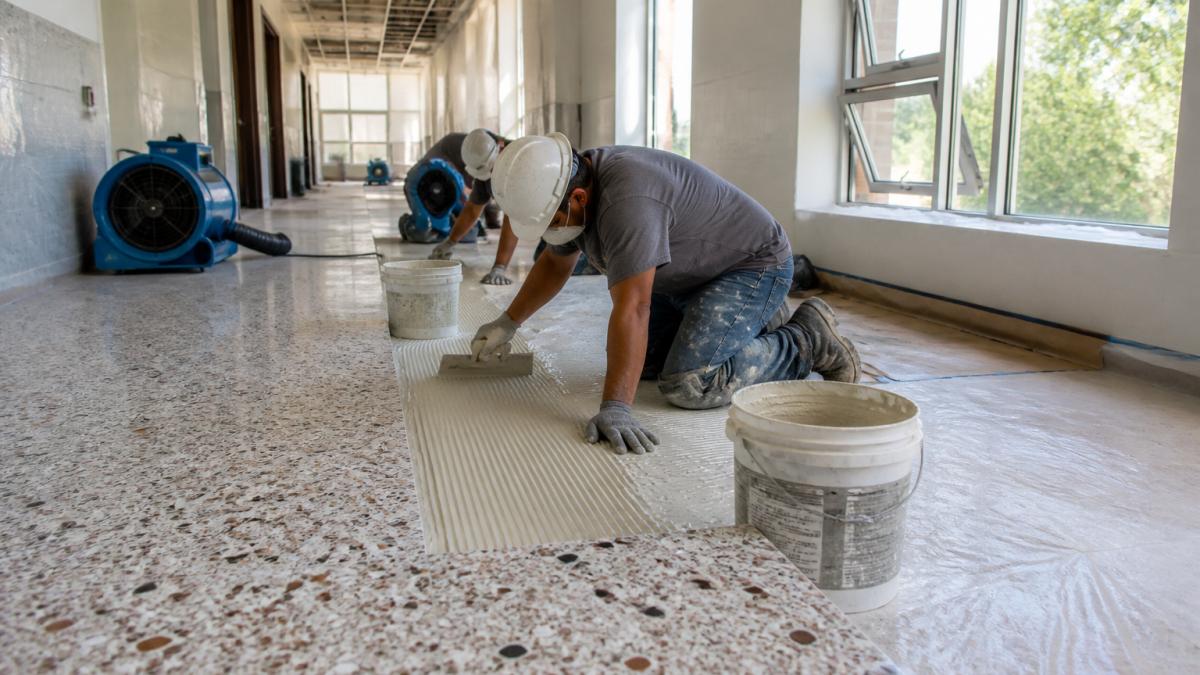
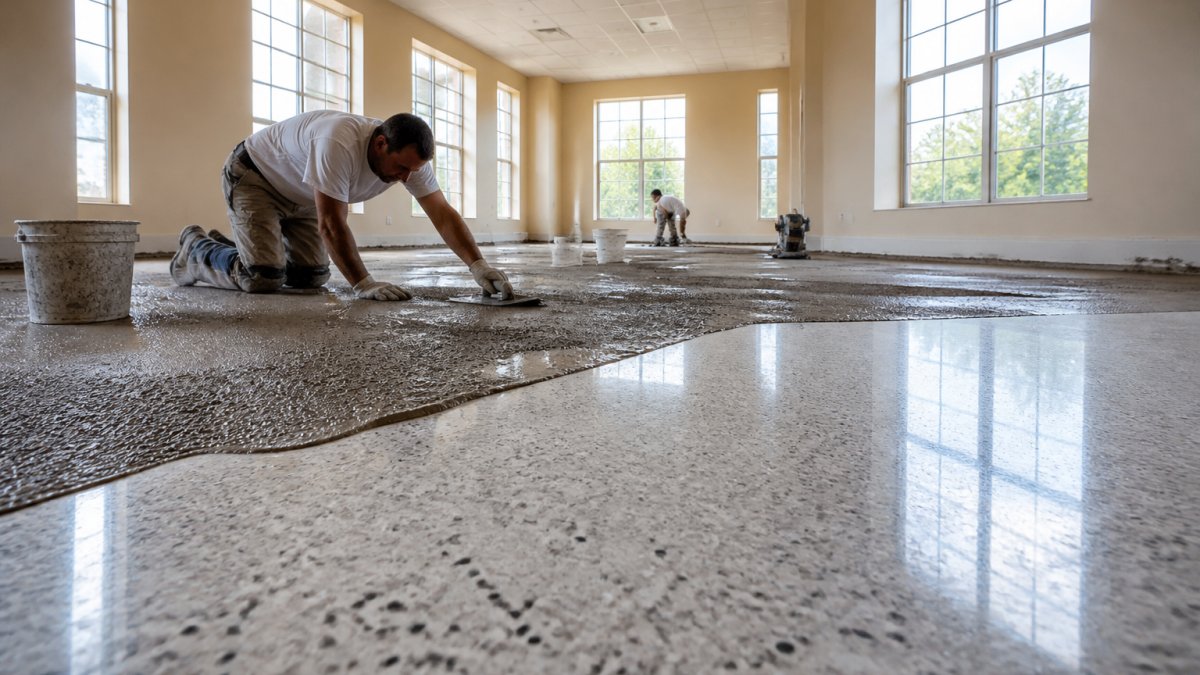
Plan your installation timeline around occupancy schedules. Schedule flooring work during breaks or periods when fewer students and staff occupy the building. This reduces exposure to off-gassing chemicals and allows adequate ventilation before spaces are reoccupied.
Coordinate with your HVAC team before installation begins. Increasing ventilation during and after flooring work removes volatile organic compounds faster. Run ventilation systems continuously for 48-72 hours after installation completion.
Communicate installation schedules to campus occupants. Let students, faculty, and staff know which areas are undergoing flooring work and when spaces will be available again. Clear communication prevents complaints and helps occupants understand the temporary nature of any odors.
Your installation contractor should follow these best practices:
- Use low-VOC adhesives and sealants exclusively
- Allow proper curing time before allowing foot traffic
- Maintain ventilation throughout the installation process
- Document product specifications and certifications
- Provide post-installation care instructions to facility staff
Installation duration varies by flooring type and project scope.
A1 Terrazzo manages the entire installation process with attention to indoor air quality. We use low-VOC materials, maintain proper ventilation, and coordinate timing to minimize disruption to campus operations.
Indoor Air Quality During Renovation: Ventilation and Re-Occupancy Planning
Ventilation strategy determines how quickly off-gassing chemicals leave your campus buildings. Proper ventilation during and after installation is essential for protecting indoor air quality.
Mechanical ventilation systems should run continuously during installation and for 48-72 hours after completion. This removes volatile organic compounds before they accumulate in indoor air.
Air exchange rate is measured in air changes per hour (ACH). Standard campus buildings typically operate at 6-8 ACH. During flooring installation, increase ventilation to 12+ ACH if possible.
Natural ventilation helps when weather permits. Open windows and doors to allow fresh air circulation. Cross-ventilation, opening windows on opposite sides of a space, is particularly effective.
Re-occupancy decisions should be based on ventilation duration and off-gassing timeline. Most spaces can safely reoccupy after 72 hours of continuous ventilation following installation. Some sensitive environments, like classrooms for young children, may benefit from extended ventilation periods.
Monitor indoor air quality after installation if possible. Simple CO2 monitors indicate whether ventilation is adequate. More sophisticated air quality monitors measure volatile organic compound concentrations directly. Testing provides objective data for re-occupancy decisions.
Create a re-occupancy plan before installation begins:
- Schedule installation during breaks when fewer occupants are present
- Plan ventilation for 72+ hours after installation completion
- Test indoor air quality before allowing full occupancy
- Communicate re-occupancy timeline to campus users
- Provide occupants with information about what to expect
Selecting Flooring Types: Hardwood, Laminate, Luxury Vinyl, and Terrazzo
Different flooring materials have vastly different emission profiles. Understanding the characteristics of common campus flooring options helps you make informed decisions.
Hardwood flooring is a natural material with minimal off-gassing. Solid hardwood emits fewer volatile organic compounds than engineered options. However, the finishes and sealants applied to hardwood can be significant emission sources.
Laminate flooring contains resins that off-gas during and after installation. Many laminate products release formaldehyde and other chemicals. Low-VOC laminate options exist but still typically emit more than solid hardwood or terrazzo.
Luxury vinyl flooring often contains plasticizers and other chemicals that off-gas significantly. Some vinyl products emit volatile organic compounds for extended periods. While some manufacturers offer low-VOC options, vinyl generally has a higher emission profile than natural materials.
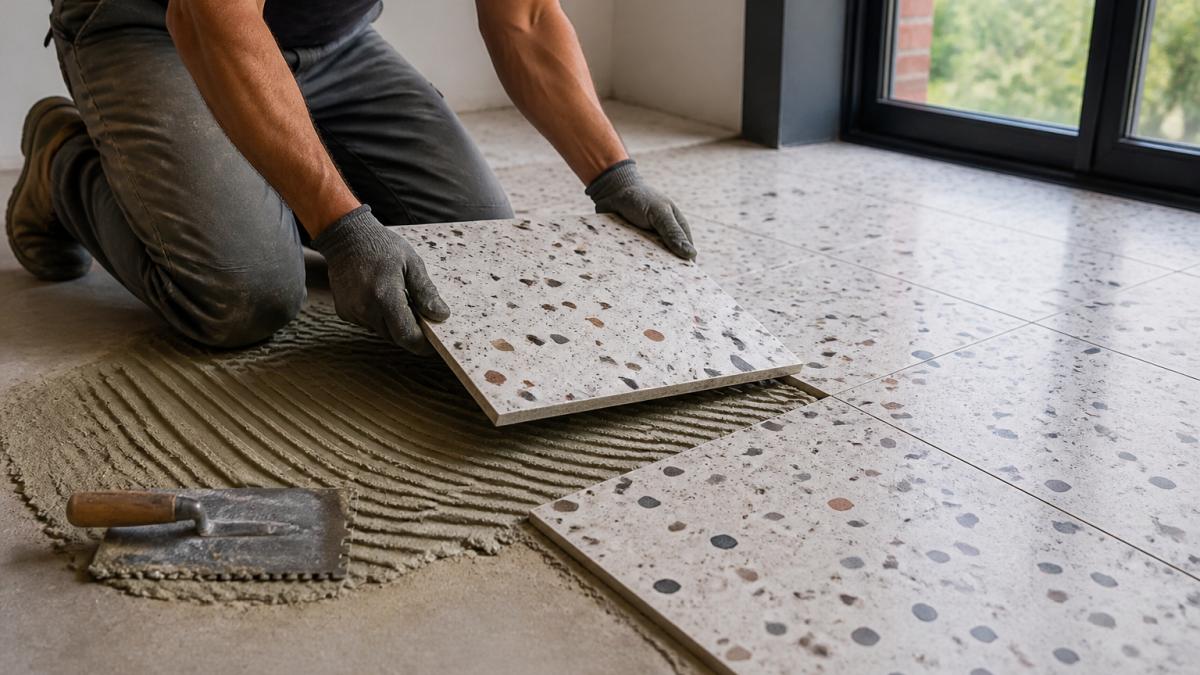
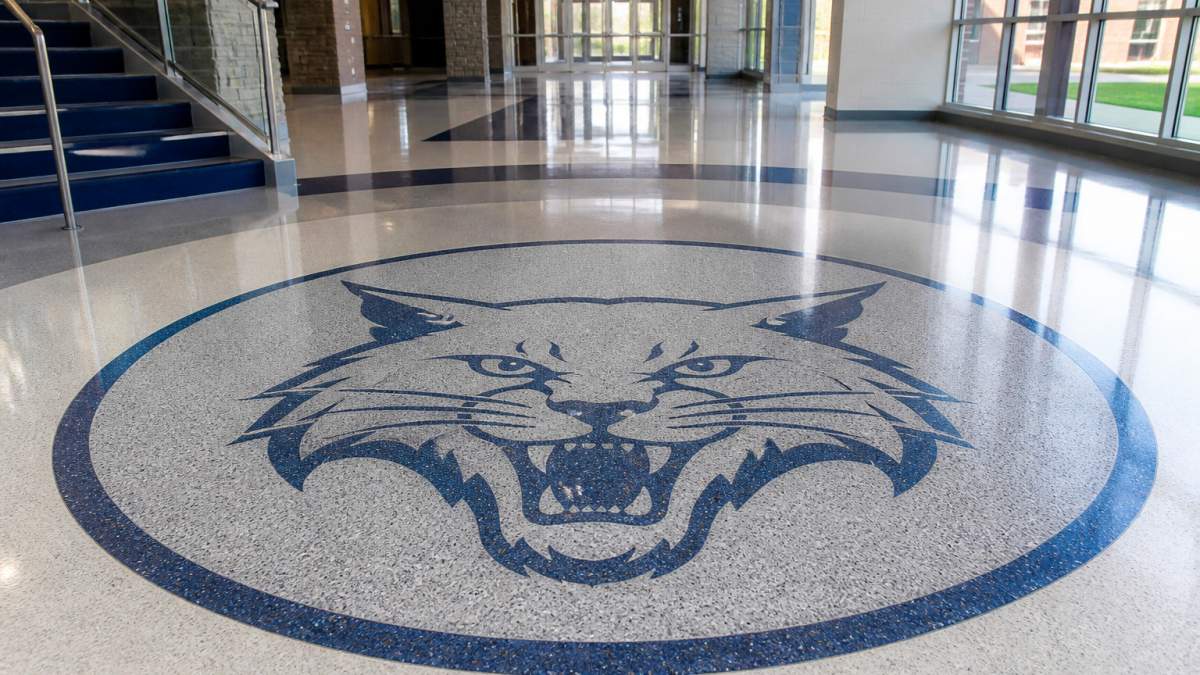
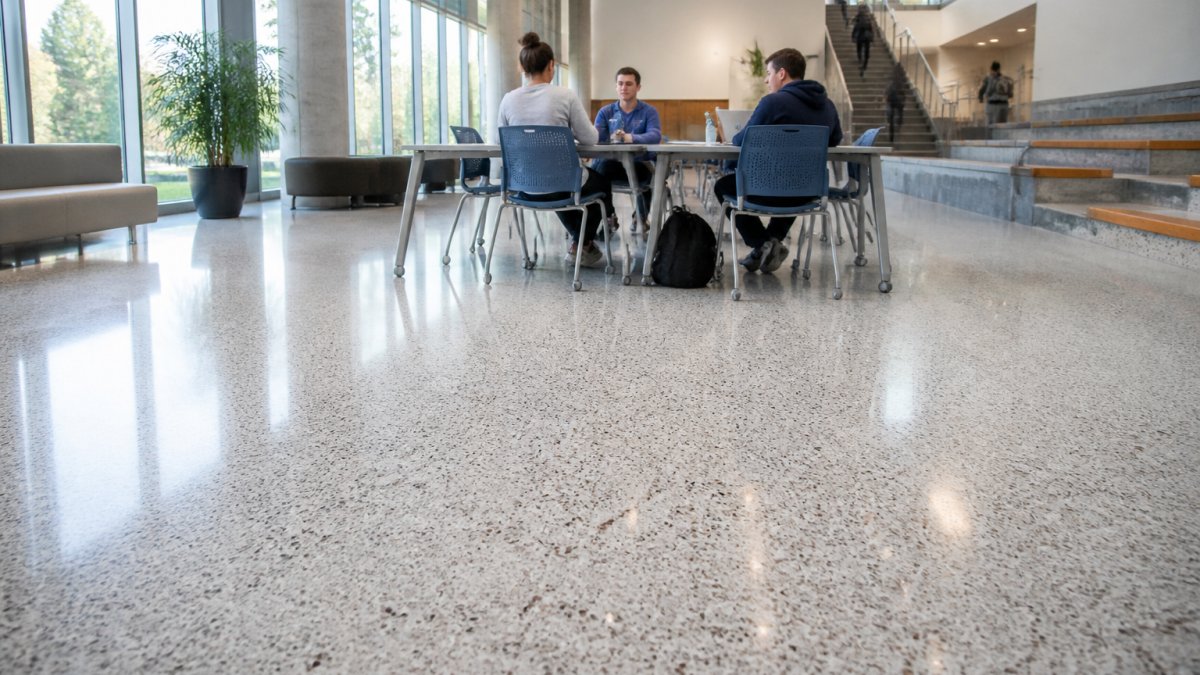
Terrazzo flooring is an excellent choice for campus applications. Terrazzo consists of marble or granite chips set in a cement or epoxy matrix. The material itself is inert and does not off-gas.
Terrazzo offers additional benefits beyond low emissions:
- Exceptional durability, lasts 30+ years with proper maintenance
- Easy to clean and sanitize, important for healthcare and educational facilities
- Customizable appearance, matches campus aesthetic requirements
- Superior slip resistance, enhances safety in busy areas
- Low maintenance costs over the flooring lifecycle
For campus facilities prioritizing indoor air quality and durability, terrazzo is the superior choice. A1 Terrazzo specializes in campus installations that deliver both healthy indoor environments and lasting performance.
Implementation Checklist for Campus Flooring Projects
Use this checklist to ensure your campus flooring project protects indoor air quality and delivers lasting results.
| Phase | Action | Timing |
|---|---|---|
| Planning | Specify low-VOC materials and adhesives | 2-3 months before installation |
| Planning | Request product certifications and emissions data | 2-3 months before installation |
| Planning | Schedule installation during campus breaks | 2-3 months before installation |
| Pre-Installation | Brief facilities staff on ventilation procedures | 1 week before installation |
| Pre-Installation | Confirm HVAC capacity and supplemental ventilation needs | 1 week before installation |
| Installation | Maintain continuous ventilation during work | Throughout installation |
| Post-Installation | Run ventilation for 72+ hours after completion | Immediately after installation |
| Post-Installation | Test indoor air quality before re-occupancy | 72 hours after installation |
| Post-Installation | Communicate re-occupancy timeline to campus users | Before installation begins |
| Maintenance | Establish cleaning protocols using low-VOC products | After re-occupancy |
| Maintenance | Schedule regular maintenance to extend flooring life | Ongoing |
Campus flooring projects require coordination across multiple departments. Involve facilities management, occupational health, and campus operations in planning. Clear communication prevents delays and ensures everyone understands the timeline and re-occupancy plan.
Document all specifications, certifications, and product information. Keep records of installation dates, ventilation procedures, and any testing conducted. This documentation protects your campus and provides valuable information for future maintenance and upgrades.
Choose experienced contractors who understand campus requirements. Your flooring installer should have demonstrated experience with low-VOC materials, proper ventilation procedures, and campus facility coordination. A1 Terrazzo brings 35 years of commercial flooring expertise to campus projects and understands the unique requirements of educational facilities.
Selecting low-VOC flooring for your campus protects student and staff health while delivering durable, beautiful spaces. The right material choice, proper installation practices, and careful attention to ventilation create indoor environments where learning and work thrive. A1 Terrazzo brings 35 years of commercial flooring expertise to campus projects, delivering terrazzo installations that combine exceptional durability with minimal indoor air quality impact.
Frequently Asked Questions
What does low-VOC flooring mean?
Low-VOC flooring contains reduced levels of volatile organic compounds, which are chemicals that evaporate at room temperature and contribute to indoor air pollution. Low-VOC products release fewer harmful emissions during and after installation, improving indoor air quality in campus buildings. The EPA and flooring industry define low-VOC products as those emitting less than 0.5 mg/m³ of total VOCs, though third-party certifications like FloorScore and GreenGuard often set stricter limits.
How long does flooring installation off-gassing last?
Off-gassing intensity varies by flooring type and product. Low-VOC products and proper ventilation significantly shorten the noticeable off-gassing period, making re-occupancy safer for students and staff.
Which flooring certifications help evaluate VOC emissions?
Key certifications include FloorScore, GreenGuard Gold, and the Flooring Score program, all of which test and verify low-VOC emissions. FloorScore is based on ISO 16000 emissions testing standards and is recognized across the industry. GreenGuard Gold is stricter and covers adhesives and sealants as well as the flooring material itself. When procuring campus flooring, require documentation of these certifications to verify that products meet strict emissions limits and support better indoor air quality.
How can a campus reduce indoor air pollutants during a flooring renovation?
Implement a three-part strategy: first, consider low-VOC flooring, adhesives, and sealants from the start; second, increase ventilation during and for 48 to 72 hours after installation by opening windows, using portable air scrubbers, and running HVAC systems at higher capacity; third, schedule installation during low-occupancy periods (summer break, weekends) and delay re-occupancy until off-gassing subsides. Post-installation air quality monitoring confirms when spaces are safe for students and staff to return.