 Listicle
7 Pros and Cons of Seamless Flooring Systems
Quick Summary
Seamless flooring systems are poured or troweled surfaces with no visible joints, grout lines or tile edges, which makes them easier to keep sanitary than tiled floors. Their main pros are durability, hygiene and easy cleaning, while the cons are higher upfront cost, harder repairs, installation disruption and sensitivity to slab moisture and preparation.
- Surface preparation and moisture testing of the slab are key to avoiding delamination.
- Epoxy can yellow under UV and chip under sharp impact.
- Ask for a line-item quote that separates substrate prep from the flooring system.
- Confirm curing times with the installer before setting a reopening date.
- Compare lifecycle cost including cleaning, recoating and replacement, not just first cost.
Table of Contents
- What Seamless Flooring Systems Are and How They Are Installed
- Pros of Seamless Flooring Systems: Durability, Hygiene and Easy Cleaning
- Cons of Seamless Flooring Systems: Upfront Cost, Repairs and Installation Disruption
- Seamless Flooring Options Compared: Epoxy, Resin and Terrazzo
- Epoxy Flooring Pros and Cons, Material by Material
- Seamless Resin Flooring and Seamless Flooring Maintenance Over the Lifecycle
- Choosing a Seamless Flooring System for Your Facility and Scheduling Your Installation
- Frequently Asked Questions
What Seamless Flooring Systems Are and How They Are Installed
Last Updated: November 18, 2026
Seamless flooring systems are poured or troweled surfaces with no visible joints, grout lines or tile edges. Facility managers often choose them because a single continuous surface is easier to keep sanitary than one split into many pieces. This guide covers how these systems are built, where they make sense and where they fall short.
A seamless floor is a monolithic surface applied in layers over a prepared concrete base. Common types include epoxy, polyurethane, cementitious resin and terrazzo-style systems. Each one bonds to the slab and forms a continuous, non-porous finish.
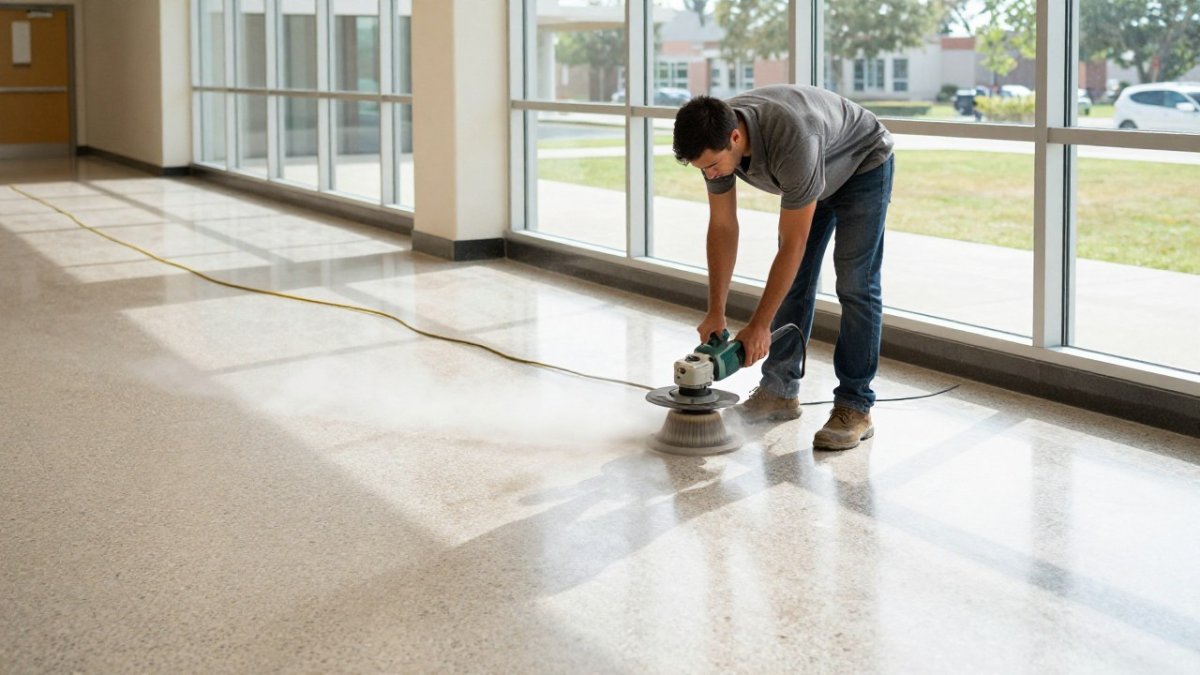
Installation starts with the substrate. Crews grind or shot-blast the slab to open the surface, fill cracks and check moisture levels before any coating goes down. Skipping that step is the most common reason coatings delaminate later. Once the base is ready, the primer, body coat and topcoat are applied in sequence, with curing time between each layer. Curing can range from a day for light traffic to several days before heavy loads are allowed.
Watch out: rushing the cure is the fastest way to get bubbling or peeling. Keep foot traffic off the floor until the manufacturer's recommended time has passed.
Pros of Seamless Flooring Systems: Durability, Hygiene and Easy Cleaning
Seamless floors give facilities three practical advantages: they resist wear, they have no grout lines for dirt to collect in, and they are straightforward to clean.

Durability is the first benefit. A properly installed system handles rolling carts, foot traffic and impact better than many tile or sheet-vinyl options.
Hygiene is the second. Because the surface has no seams, there is nowhere for spills and contaminants to settle into cracks. That makes it a strong fit for healthcare settings where cleaning protocols are strict.
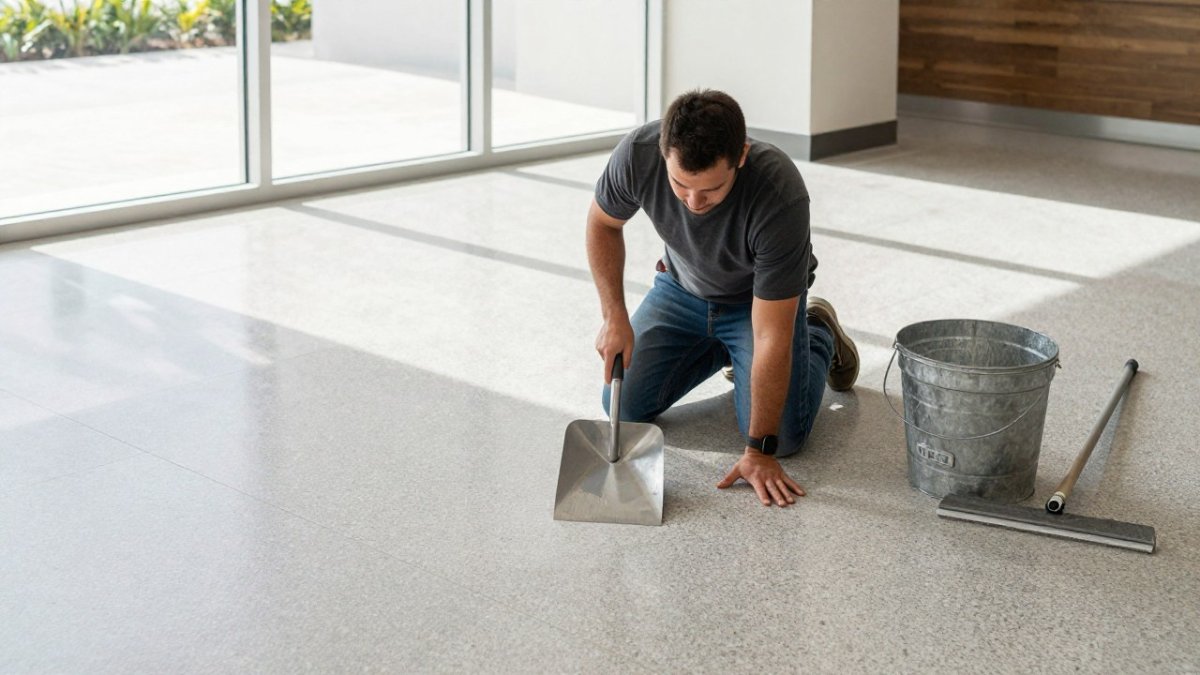
Cleaning is the third. Routine maintenance usually means sweeping and damp mopping with a neutral cleaner. Harsh chemicals can dull or damage some finishes, so check the manufacturer's guidance before choosing products.
Cons of Seamless Flooring Systems: Upfront Cost, Repairs and Installation Disruption
Seamless systems are not free of trade-offs. The real drawbacks cluster around four areas: installed cost, repairability, installation disruption, and the way substrate conditions can undermine performance. Each one is manageable if you plan for it before signing a contract.
Upfront cost and what drives it. Pricing depends on factors such as slab condition, system thickness, the number of coats, and any coving or drainage details. Pricing depends on quantity, timing, and project scope, so request a current quote for your space. Ask for a line-item quote that separates substrate prep from the flooring system, and ask for a lifecycle estimate that includes cleaning, recoating, and replacement over the expected service life rather than comparing only first cost.
Repairability and failure modes. A damaged seamless floor rarely swaps out as cleanly as a tile. Localized repair is possible, but a patch can show a color or texture difference. You can read how terrazzo floor repair is handled for businesses step by step. Failures such as bubbling, delamination and cracking are commonly linked to moisture, surface preparation, substrate movement and control joints. Testing moisture and assessing the slab before installation helps reduce these risks.
Installation disruption. Schedules are set by prep and cure rather than by the pour itself. Surface preparation can be loud and dusty, coatings may carry odor and require ventilation, and return to service depends on the manufacturer's cure schedule. Buildings that must stay open may need phased work, and a reopening date should be confirmed with the installer. Because cure schedules and ventilation needs can shape phased work, the choice of coating should also account for workshop chemical exposure, a consideration Apex Custom Coatings connects to the broader question of chemical-resistant flooring.
Watch out: choosing a system before testing the slab can lead to moisture and prep problems that surface later as delamination.
Seamless Flooring Options Compared: Epoxy, Resin and Terrazzo
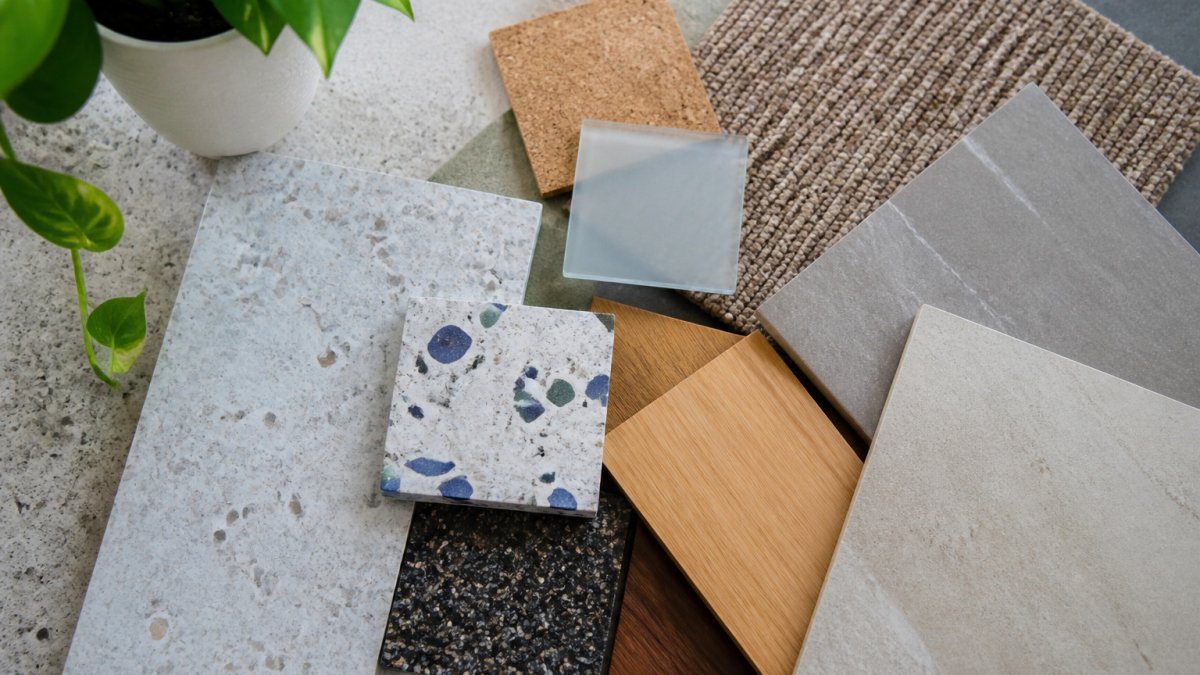
The three most common options differ in cost, appearance and how they handle heavy use. Use this table as a starting point:
| System | Typical Strength | Typical Drawback | Best For |
|---|---|---|---|
| Epoxy | Strong bond, many color options | Can yellow or chip under UV and heavy impact | Garages, labs, retail back-of-house |
| Seamless resin (polyurethane or cementitious) | Good chemical and moisture resistance | Longer cure times in some formulas | Kitchens, food processing, wet areas |
| Terrazzo (cementitious or epoxy-based) | Very high durability and a long lifespan | Heavier install, longer project timeline | Lobbies, hospitals, airports, schools |
Epoxy Flooring Pros and Cons, Material by Material
Epoxy is the most widely used seamless system and often the least expensive per square foot, but its performance is not universal. If epoxy's drawbacks concern you, see alternatives for commercial lobbies. For a direct side-by-side of epoxy and cementitious options, see epoxy vs cement terrazzo compared. The useful comparison is not epoxy versus tile, it is epoxy versus polyurethane, cementitious urethane, and terrazzo, because each behaves differently under UV, heat, moisture, and chemical exposure.
Epoxy. Pros: strong bond to prepared concrete and wide color and flake options. Cons: it can yellow under UV in sunlit areas and can chip under sharp impact.
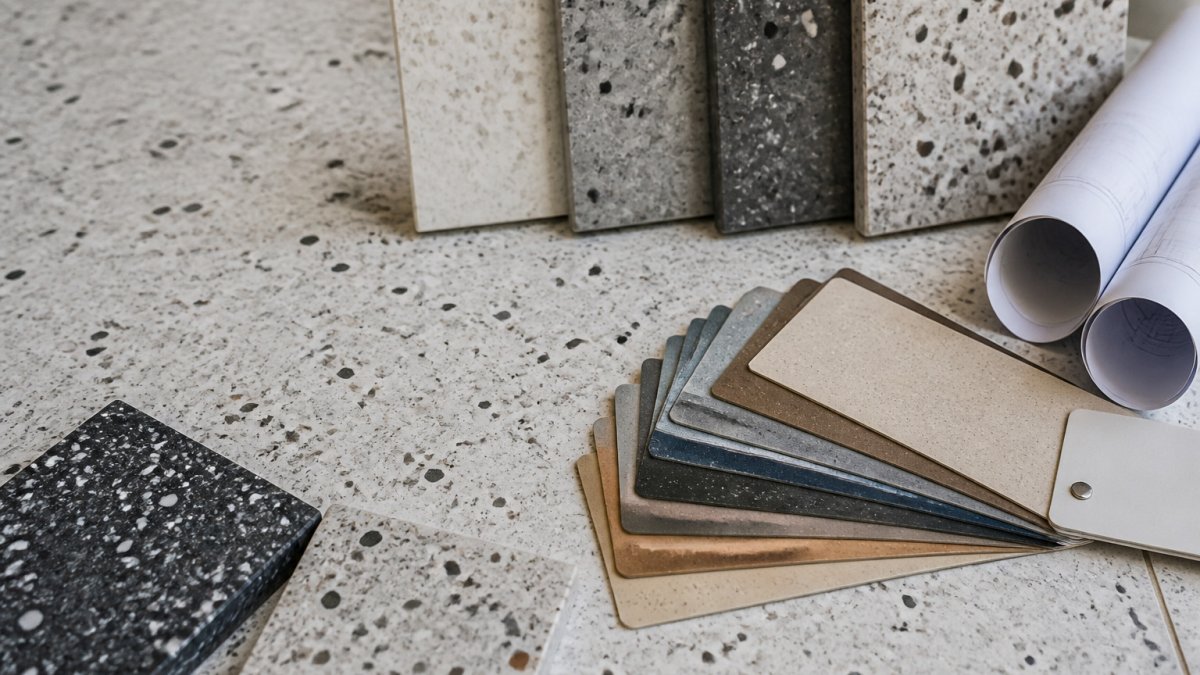
Terrazzo (cementitious or epoxy-based). Terrazzo is a durable option for commercial spaces such as lobbies, hospitals, airports and schools. Installation timelines and costs vary by project, so request a current quote.
Polished concrete is sometimes grouped with seamless systems. Pros: low material cost and a natural look. Cons: it is not a coating, so stain resistance depends on densifiers and sealers, and it offers less chemical protection than resin systems.
How to choose. Match the system to the exposure, including UV, heat, moisture and traffic, and then consider budget and downtime tolerance.
Watch out: epoxy installed over a poorly prepared or high-moisture slab can fail. Ask any installer how they will test moisture and prepare the surface before signing.
Seamless Resin Flooring and Seamless Flooring Maintenance Over the Lifecycle
Seamless resin flooring is often used in kitchens and processing areas. Its lifecycle depends on maintenance, and regular cleaning with approved products helps extend the life of the finish.
Maintenance costs add up over time. Plan for routine cleaning, occasional deep cleaning and eventual recoating, and ask for a lifecycle cost estimate, not just an installation quote, for a clearer picture of long-term costs. Pricing depends on project scope, so request a current quote.
Choosing a Seamless Flooring System for Your Facility and Scheduling Your Installation
Start with how the space is used. High-traffic lobbies, hospital corridors and school hallways usually call for terrazzo or a heavy-duty resin system. Back-of-house areas may only need a cost-effective epoxy. Consider impact, chemical exposure, moisture and how much downtime you can tolerate.
Schedule installation around operations. Plan phased work for buildings that must stay open, and confirm curing times with the installer before setting a reopening date. A terrazzo installation timeline for campus renovations shows how these phases typically fit together.
For a site-specific recommendation and a quote, contact A1 Terrazzo. To compare providers before you hire, review these commercial flooring installation services picks.
Frequently Asked Questions
What are the main disadvantages of seamless flooring?
The main disadvantages are higher upfront cost than many sheet or tile options, long curing times that can disrupt operations, and repairs that often require professional work because damaged areas are hard to patch invisibly. Substrate preparation is also critical: if the concrete is cracked, damp or poorly prepared, the coating can delaminate. Facilities should weigh these trade-offs against lifespan and maintenance savings before committing, and request written substrate testing and a repair plan from any contractor they consider.
How long does seamless resin flooring last?
Well-installed seamless resin flooring in commercial settings commonly lasts many years, with lifespan depending on traffic levels, the thickness of the system, the quality of surface preparation and how well it is maintained. Heavy traffic areas such as airport concourses or hospital corridors may need recoating or spot repairs sooner than low-traffic office space. Ask any installer for a documented expected service life and a maintenance schedule tied to your specific use.
Is seamless flooring easy to clean and maintain?
Seamless flooring is generally easier to clean than tile or sheet vinyl because it has no grout lines or seams where dirt and bacteria can collect. Routine care usually involves damp mopping with a pH-neutral cleaner. Harsh chemicals, abrasive pads and certain solvents can dull or damage the finish, so cleaning products should be approved by the installer. Regular inspection for chips or cracks helps catch small problems before they spread.
How do you choose the right seamless floor system for a commercial space?
Start with the space's traffic level, exposure to moisture or chemicals, slip-resistance needs and sanitation requirements. A kitchen or healthcare space may need a different system than a lobby or corridor. Compare total lifecycle cost, not just the installation price, and ask contractors how they prepare the substrate, what warranty they offer and whether they have completed similar projects. Request a written scope and cost breakdown before deciding.